
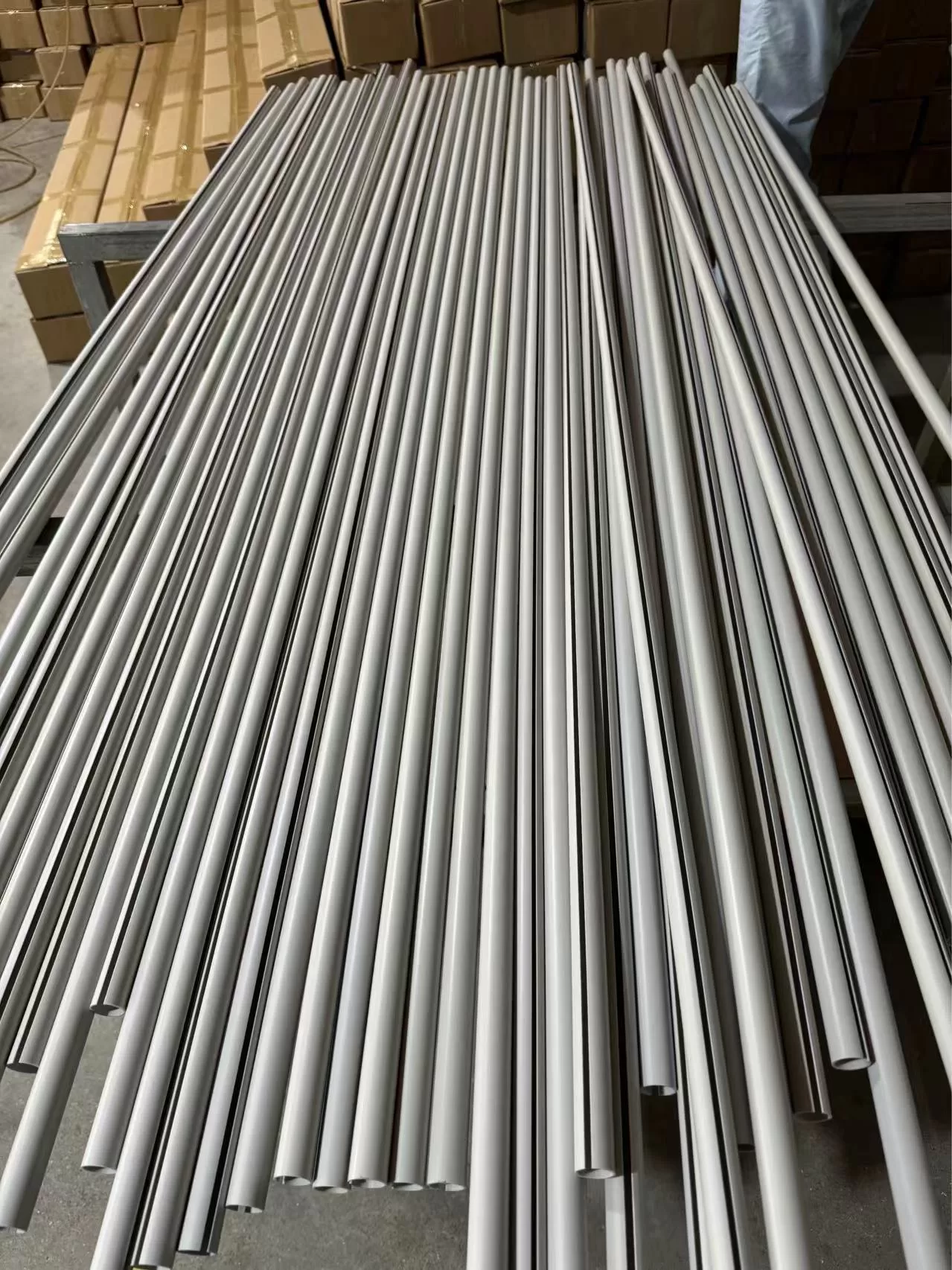
For fiber operators, utility contractors, broadband installers, and OSP construction teams, the drop cable is often the most exposed part of the last-mile connection. It may leave a pedestal, handhole, conduit stub, wall entry, or ground-level service point before reaching the customer premises.
A Slit Back Snap-On Style Riser Tubing is designed to cover and protect that vulnerable section. It helps reduce damage from lawn equipment, foot traffic, weather exposure, abrasion, accidental impact, and poorly controlled cable routing near the ground.
The Real Problem: Drop Cable Damage Usually Happens After Installation
Many FTTH failures do not come from the cable reel, connector, or splice closure. They happen later, after the service is activated and the exposed drop route is left near a wall, riser, conduit, pedestal, fence line, or landscaped area.
In residential and light commercial deployments, ground-level fiber can be hit by weed trimmers, lawn mowers, hand tools, animals, UV exposure, temperature changes, and repeated bending from poor routing. Once the drop cable is damaged, the operator may face a truck roll, customer complaint, service interruption, and avoidable repair cost.
- For fiber operators: damaged drop cable means repeat visits and lower service reliability.
- For OSP contractors: exposed cable increases the chance of warranty repair and failed inspection.
- For installation teams: a cleaner riser path reduces field judgment and makes the work easier to standardize.
- For procurement managers: low-cost protection parts can reduce the hidden cost of future maintenance.
What Is Slit Back Snap-On Style Riser Tubing?
Slit Back Snap-On Style Riser Tubing is a plastic protective tube with a slit-back structure. Instead of pulling the cable through a solid tube from one end, installers can open the slit and snap the tubing around an existing drop cable route.
This matters in retrofit work, service repair, customer drop upgrades, and field situations where the cable is already installed. The installer can add protection without disconnecting the cable, removing the drop, or re-pulling the route.
| Feature | Why It Matters in the Field |
|---|---|
| Slit-back snap-on structure | Allows protection to be added around an installed drop cable without full cable removal. |
| Plastic riser body | Creates a physical shield against abrasion, light impact, and ground-level exposure. |
| Indoor / outdoor use | Supports service entrances, wall risers, exterior drops, utility areas, and customer premises routes. |
| Gray appearance | Blends better with common exterior walls, utility hardware, and service areas. |
| Can be secured with straps | Helps keep the cable path straight, controlled, and easier to inspect. |
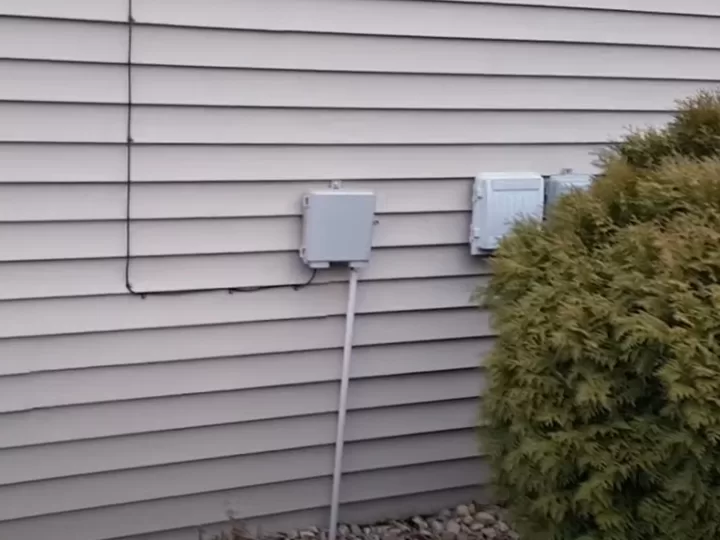
Why It Is Especially Useful for FTTH Drop Cable Protection
FTTH drop cable is thin, flexible, and easy to route, but those same qualities can make it vulnerable near the ground. A protected drop route gives installers a simple way to make the last few feet of the service path more durable and more professional.
- Protects against lawn tools: riser tubing creates a barrier where weed trimmers and lawn maintenance equipment often hit exposed cable.
- Improves route control: the cable is held along a predictable vertical or horizontal path instead of hanging loosely near the wall.
- Reduces abrasion: the tubing helps separate the cable from rough surfaces, wall edges, concrete, siding, or utility hardware.
- Supports a cleaner installation: a covered riser looks more intentional than an exposed drop cable at customer premises.
- Works for retrofit protection: the slit-back format is useful when protection must be added after the cable is already in place.
Where Should Contractors Use Snap-On Riser Tubing?
The best use case is any exposed or semi-exposed section where a drop cable leaves a protected pathway and becomes vulnerable to daily site activity. It is not a replacement for conduit in every condition, but it is a practical protective sleeve for many last-mile service entrance tasks.
| Use Scenario | Why Riser Tubing Helps | Buyer Decision Point |
|---|---|---|
| Ground-to-wall fiber drop route | Protects the cable where lawn tools, foot traffic, and wall abrasion are common. | Check required length, cable diameter, and mounting strap spacing. |
| Pedestal or handhole to premises entry | Creates a controlled transition from buried or ducted pathway to the customer wall. | Confirm whether the route needs 6 ft or 9 ft coverage. |
| Retrofit drop cable protection | Snap-on design can be added around an existing cable without re-pulling the drop. | Confirm cable access, slit direction, and fixing method. |
| Residential FTTH installation | Makes the final drop route cleaner and easier for the customer to accept visually. | Confirm color, surface type, and installation method. |
| Utility contractor fiber work | Helps standardize protection for repeated service entrances across many homes. | Confirm bulk packing, strap compatibility, and project quantity. |
Slit Back Snap-On Style vs Solid Body Riser Tubing
Both styles can protect a drop cable, but they fit different installation workflows. The snap-on style is especially useful when the cable already exists or when the installer needs faster field placement around the cable.
| Type | Best Use | Field Advantage |
|---|---|---|
| Slit Back Snap-On Style Riser Tubing | Retrofit protection, installed cable routes, quick service entrance protection | Can be placed around the cable without pulling the cable through the full tube. |
| Solid Body Riser Tubing | New construction, planned drop route before cable installation | Offers a continuous tube body when the cable can be fed through during installation. |
For large FTTH rollout teams, many projects need both styles. The snap-on style is often easier for service repair and retrofit work, while the solid body style may be preferred when the pathway is planned before the cable is placed.
Key Specifications to Confirm Before Bulk Purchase
A riser tubing quote should not be based only on the product name. Procurement and engineering teams should confirm length, inner diameter, outer diameter, material, mounting method, packing, and compatibility with the drop cable route.
| Decision Item | Recommended Check | Why It Matters |
|---|---|---|
| Length | Common options include 6 ft and 9 ft formats | Different wall heights and ground transition paths require different coverage. |
| Inner Diameter | Confirm cable OD and routing clearance | The tubing must fit around the drop cable without forcing sharp bends. |
| Material | Ask for UV-stabilized plastic or suitable outdoor material | Outdoor routes face sunlight, weather, and temperature variation. |
| Mounting Strap | Confirm compatible strap size and fixing interval | Proper mounting keeps the route straight and prevents loose tubing movement. |
| Color / Appearance | Gray or custom color if available | Exterior installations often need to look clean near customer premises. |
| Bulk Packing | Confirm pieces per case and carton size | Important for warehouse handling, contractor kits, and project rollout planning. |
Why This Product Matters to Fiber Operators and Utility Contractors
Riser tubing is not a high-value optical component like an OLT, splitter, or pre-connectorized drop cable. But it protects the part of the network most visible to the customer and most exposed to daily damage.
For a fiber ISP, the business value is not only material cost. It is fewer avoidable truck rolls, fewer visible cable complaints, better installation consistency, and a cleaner customer handoff. For a construction contractor, it helps reduce callbacks caused by exposed cable damage after installation.
- Lower repair risk: less exposure means fewer damage points near the ground.
- Cleaner customer premises: a covered riser looks more professional than loose exposed cable.
- Faster standardization: installers can follow a repeatable protection method across many homes.
- Better procurement control: tubing, straps, drop cable, and entry protection can be purchased as a small FTTH protection kit.
How to Order the Right Riser Tubing
Before requesting a quote, prepare the field details. This allows the supplier to confirm whether the tubing size, length, material, and mounting accessories match your installation method.
- Drop cable type: flat drop, round drop, toneable drop, or micro drop.
- Cable outside diameter: confirm the cable size before selecting ID.
- Protection length: choose 6 ft, 9 ft, or custom requirement.
- Installation surface: wall, pole, pedestal, siding, concrete, or utility area.
- Mounting accessory: confirm strap, clamp, screw, or bracket requirement.
- Color requirement: gray, paintable surface, or project-specific color.
- Order quantity: sample quantity, case quantity, or project bulk quantity.
- Packing requirement: individual bundle, carton, case, or contractor kit.
FAQ: Slit Back Snap-On Style Riser Tubing
Why use riser tubing instead of leaving the FTTH drop cable exposed?
Exposed drop cable near the ground can be damaged by lawn tools, abrasion, impact, animals, weather, and accidental pulling. Riser tubing adds a protective cover and creates a cleaner, more controlled route to the customer premises.
When should I choose slit back snap-on style instead of solid body style?
Choose slit back snap-on style when the drop cable is already installed or when the installer needs to add protection quickly around an existing route. Choose solid body style when the cable can be pulled through the tubing during a planned new installation.
Where is plastic riser tubing commonly installed?
It is commonly used at ground-to-wall drop routes, pedestal-to-premises transitions, service entrance points, exterior walls, utility areas, retrofit FTTH drops, and locations where a cable exits a more protected pathway.
What should I confirm before ordering?
Confirm drop cable outside diameter, required protection length, tubing inner diameter, outer diameter, material, color, mounting strap compatibility, packing quantity, sample requirement, and delivery country.
Need Riser Tubing for FTTH Drop Cable Protection?
Send your drop cable type, cable outside diameter, required tubing length, installation surface, mounting strap requirement, quantity, and delivery country. Bativ can help match riser tubing and related accessories for FTTH, utility construction, and broadband service entrance projects.