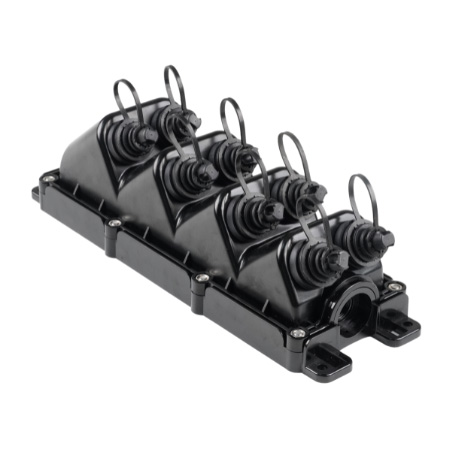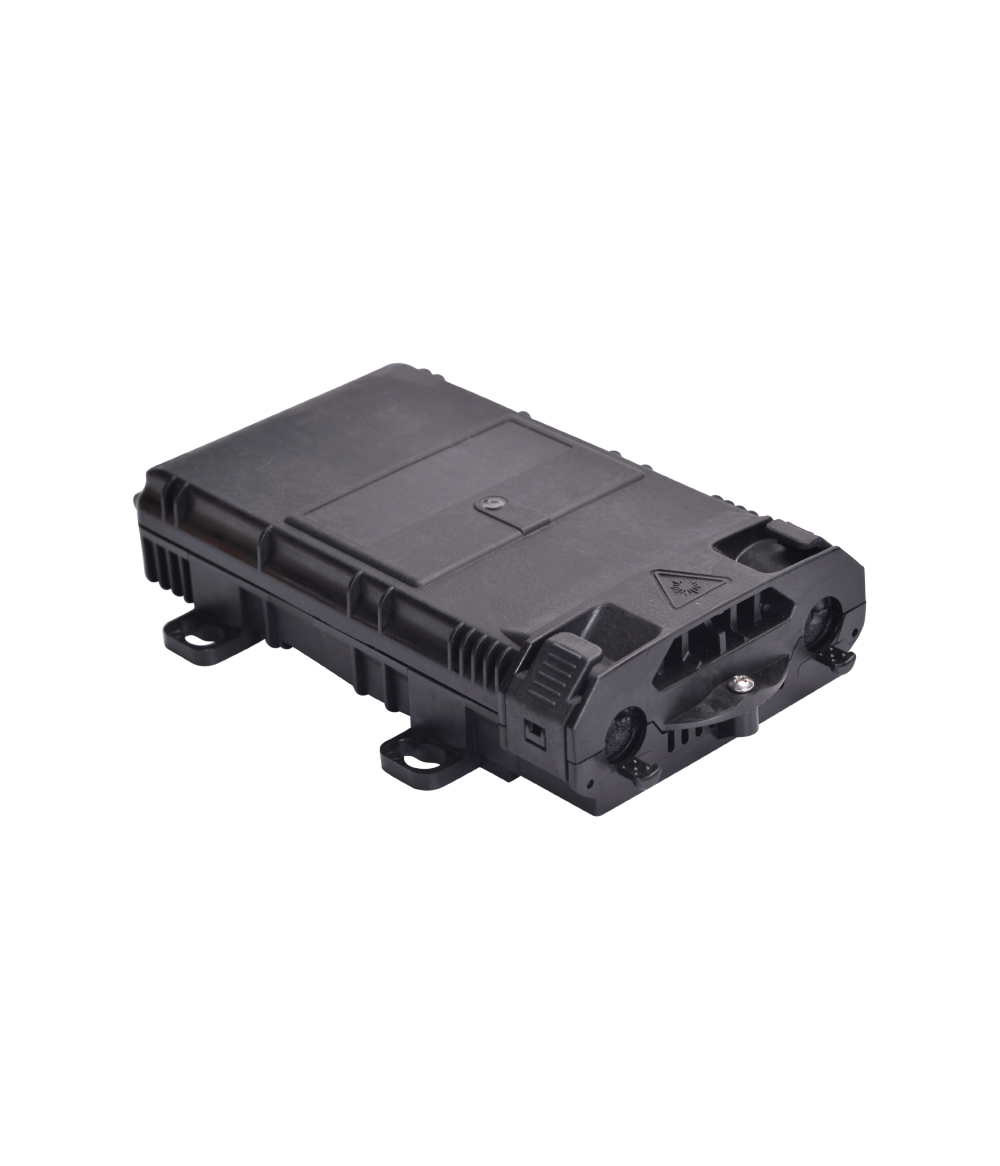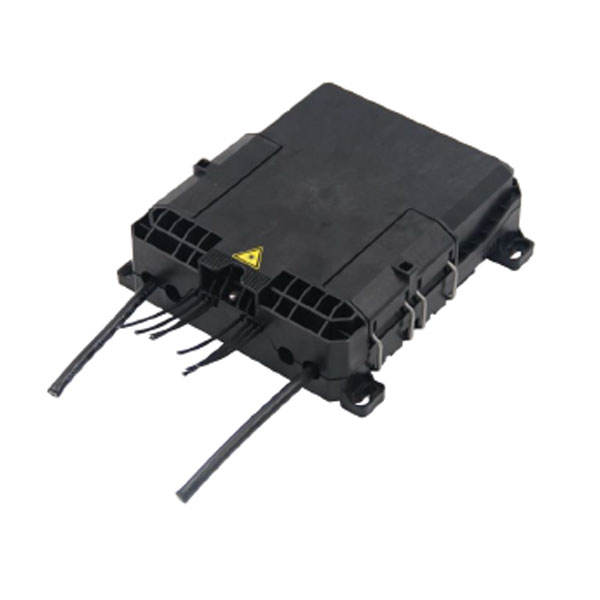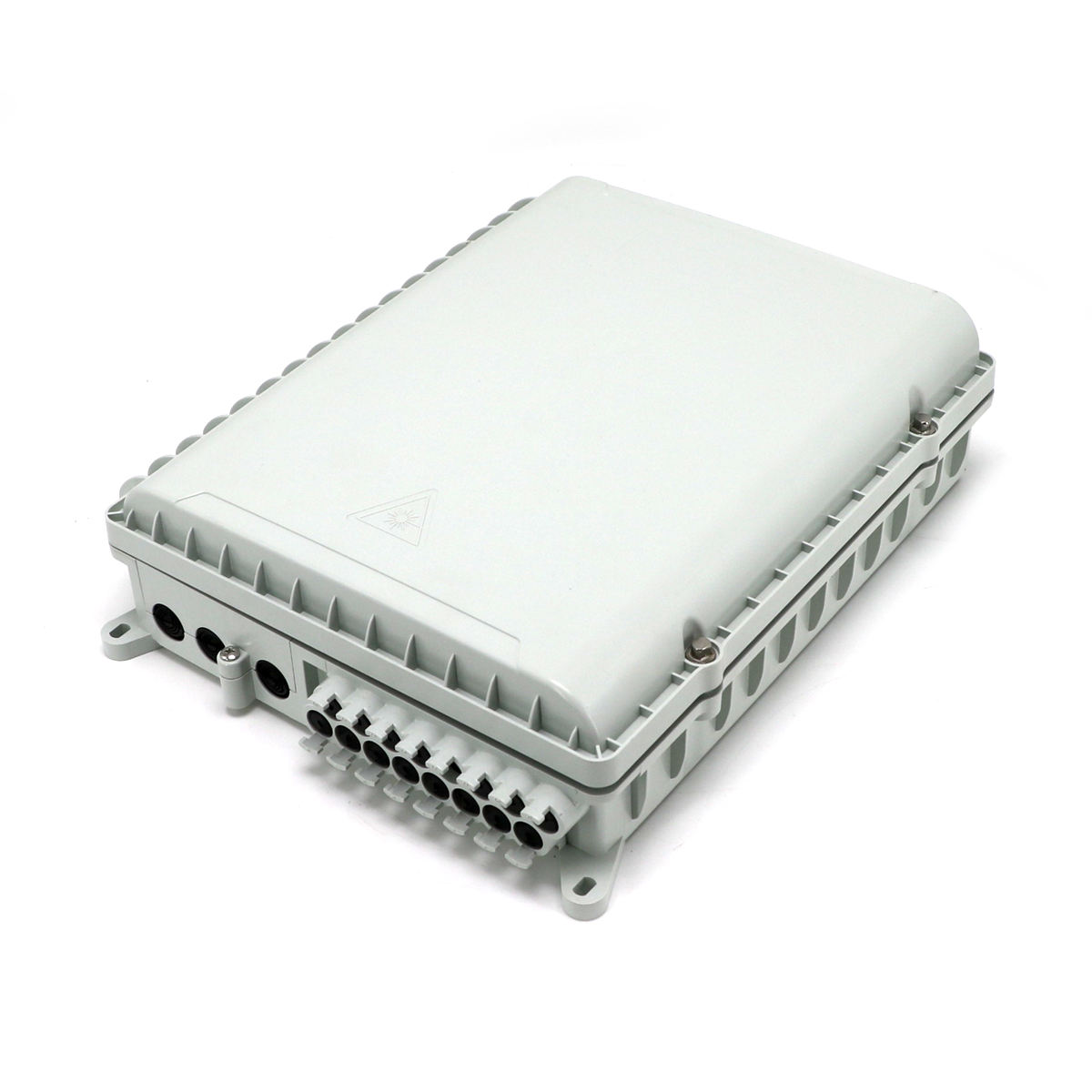
SDU Fiber Access Terminal
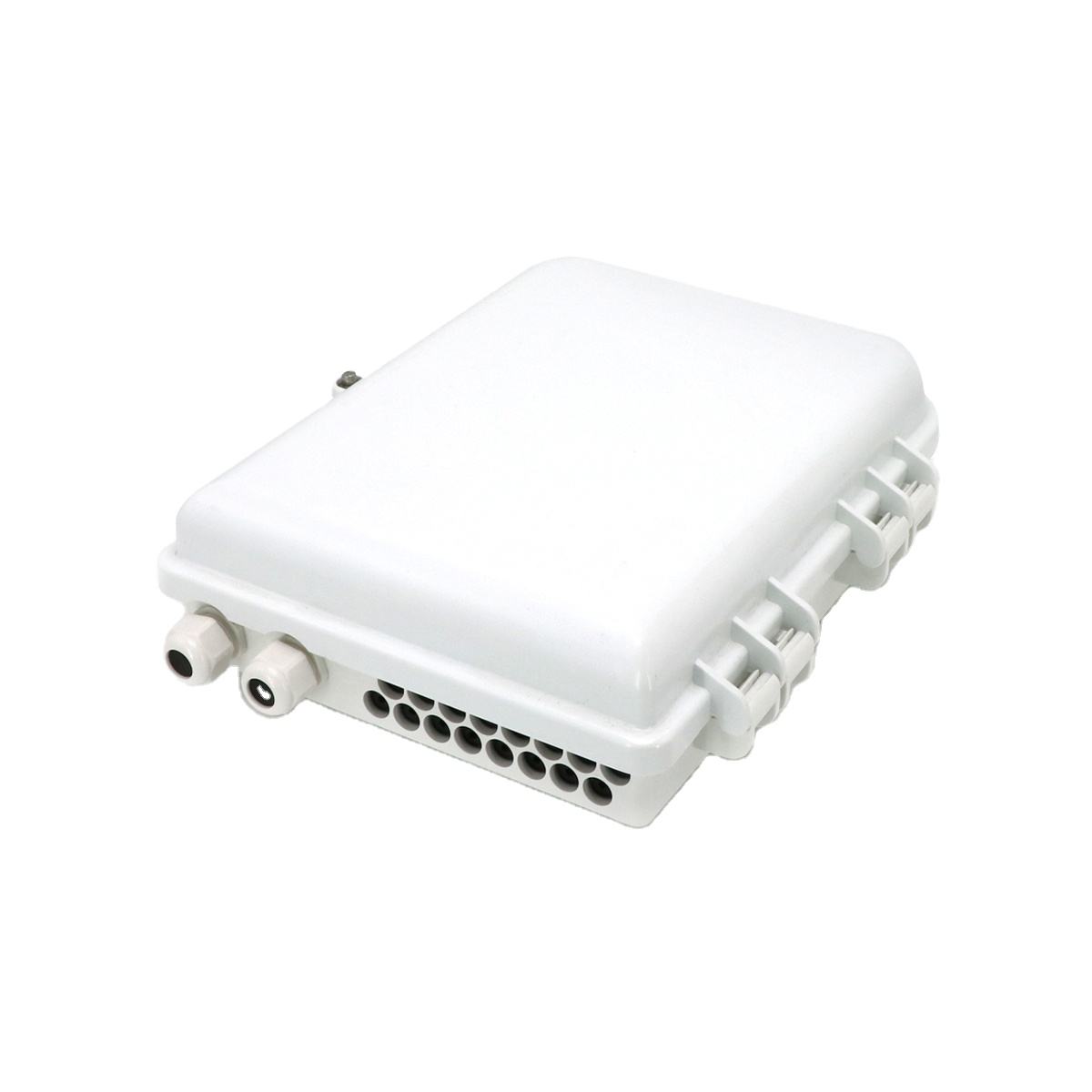
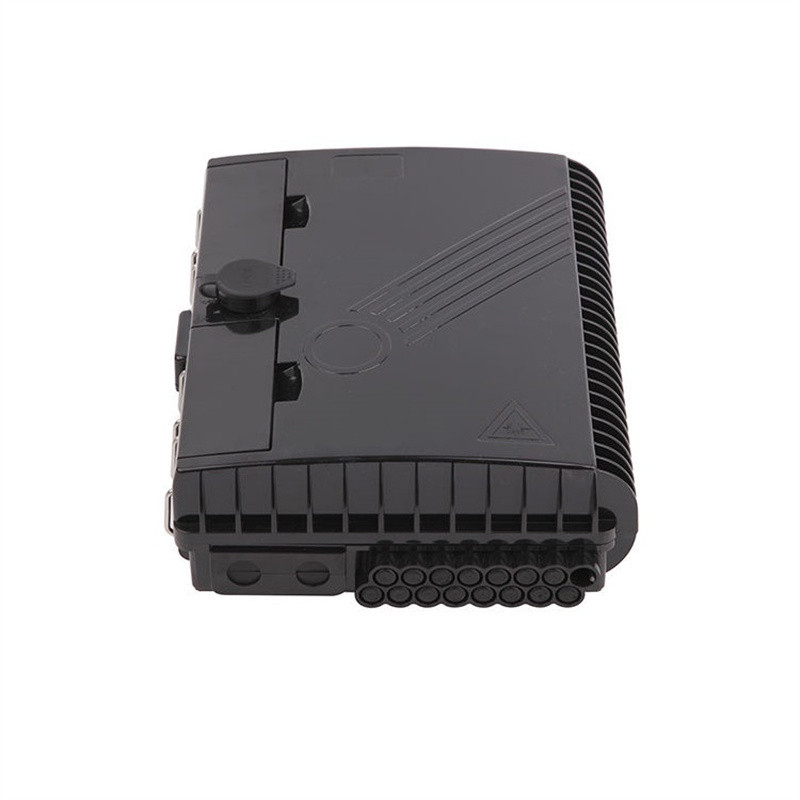
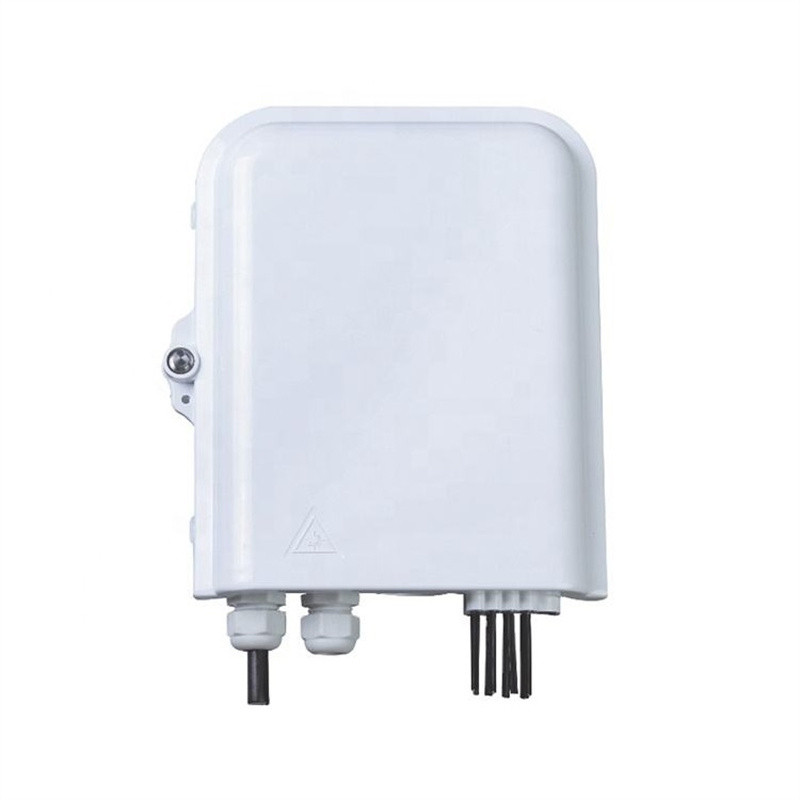
In an SDU network, the fiber access terminal is the point where shared distribution capacity becomes an individual subscriber drop. Its design directly affects how quickly technicians can connect a new home, restore a damaged service, add subscribers, and work without disturbing active fibers. The required terminal changes with the deployment scene: strand- or pole-mounted terminals support aerial routes, pedestal and handhole units serve underground neighborhoods, and wall-mounted boxes may combine distribution and building demarcation.
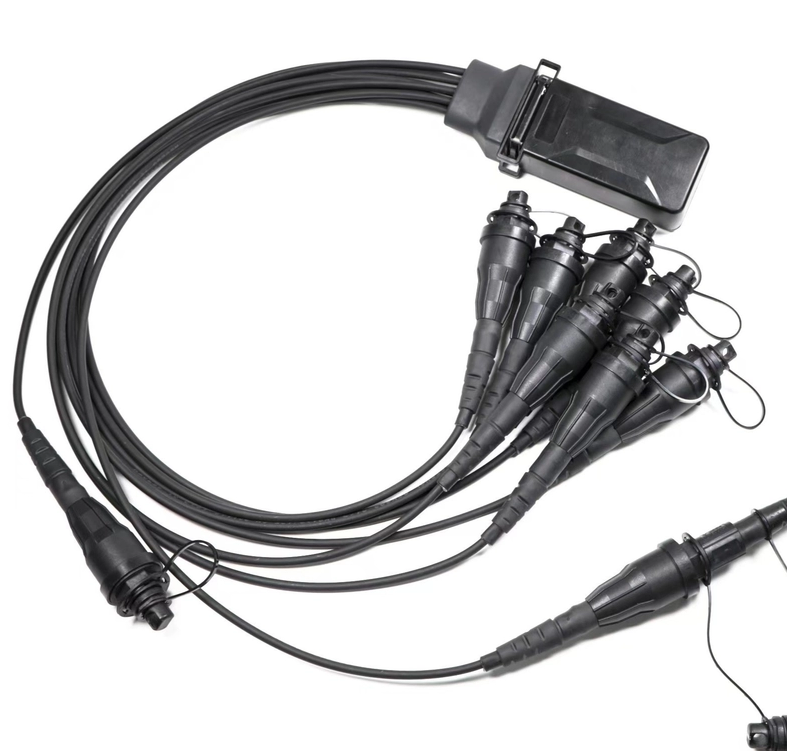
Operators should compare usable port count, connector or splice method, integrated splitter options, feeder and drop entry directions, bend-radius control, slack storage, sealing performance, mounting hardware, and compatibility with the selected drop assemblies. A terminal that fits the field workflow reduces installation variation, avoids crowded fiber routing, and makes future access more predictable.
Explore the products below according to installation location, subscriber density, connection method, and environmental exposure. Open the relevant product links to review internal layouts, port configurations, dimensional drawings, cable compatibility, test requirements, accessories, and customization options for your residential FTTH standard.