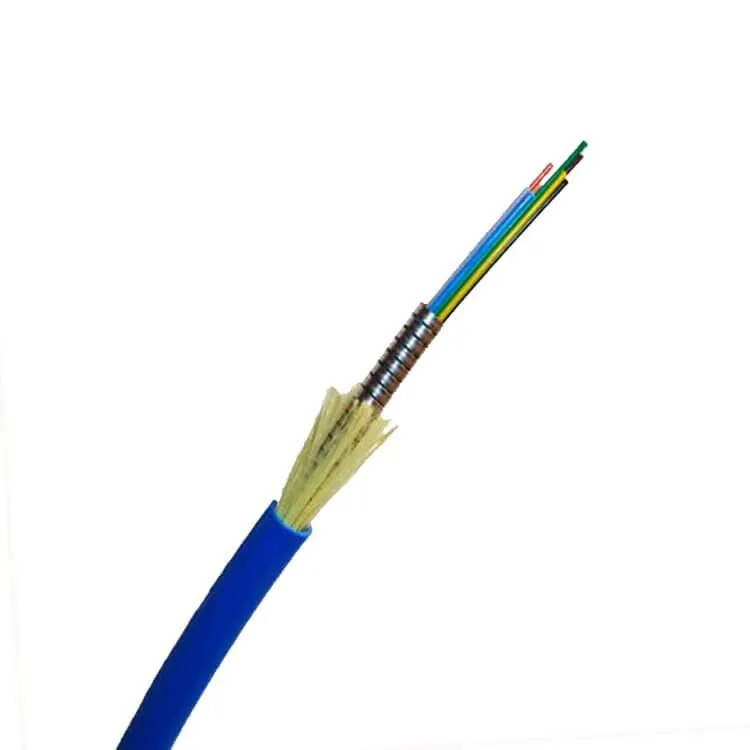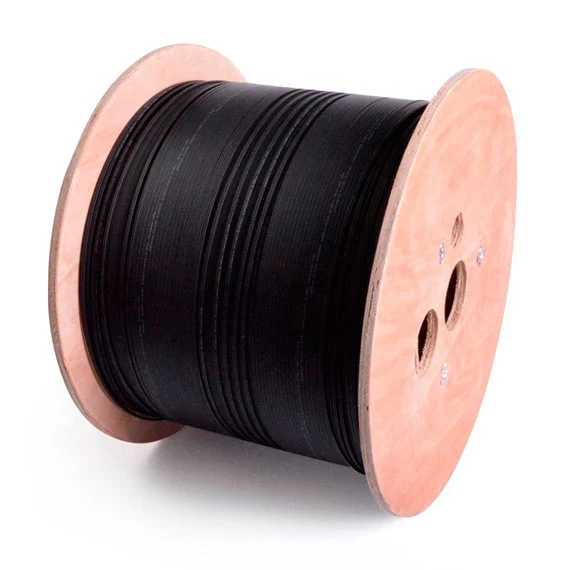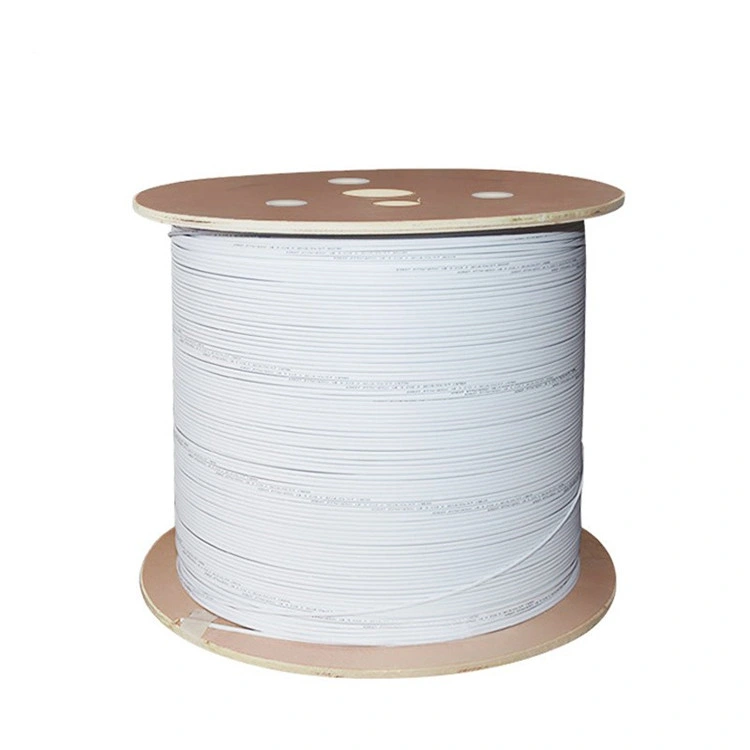
FTTH Fiber Drop Cable
The drop cable carries service from the access point to the subscriber, but the route can change several times before reaching the ONT. An operator may need a self-supporting aerial cable from a pole, a compact cable through an underground duct, a toneable direct-buried design across a yard, an indoor/outdoor transition cable, or a low-visibility cable for routing inside the home. Selecting one generic construction for every scene can increase installation difficulty and damage risk.
The cable should be evaluated by fiber count, G.657 bend performance, tensile and crush resistance, strength-member design, messenger or locating wire, jacket material, flame rating, diameter, pulling behavior, and compatibility with field-installed or factory connectors. Packaging and standard length options also affect technician productivity, waste, and inventory.
Explore the products below by deployment method and field task rather than by fiber count alone. Click the relevant product links to review cable construction, mechanical data, environmental ratings, reel or coil lengths, connectorization options, installation recommendations, test standards, printing, samples, and custom designs for your residential FTTH program.